
Blog: Our archive
Steeped in centuries of tradition, the Company’s archive preserves the story of its governance, trade, and community life, offering a window into its enduring legacy.
Our archive offers a rich and varied glimpse into the Company’s history. It brings together Royal Charters and Grants of Arms, alongside minutes, ordinances, and detailed membership records. You’ll also find correspondence, trade papers, and extensive financial documents, including guild account rolls.
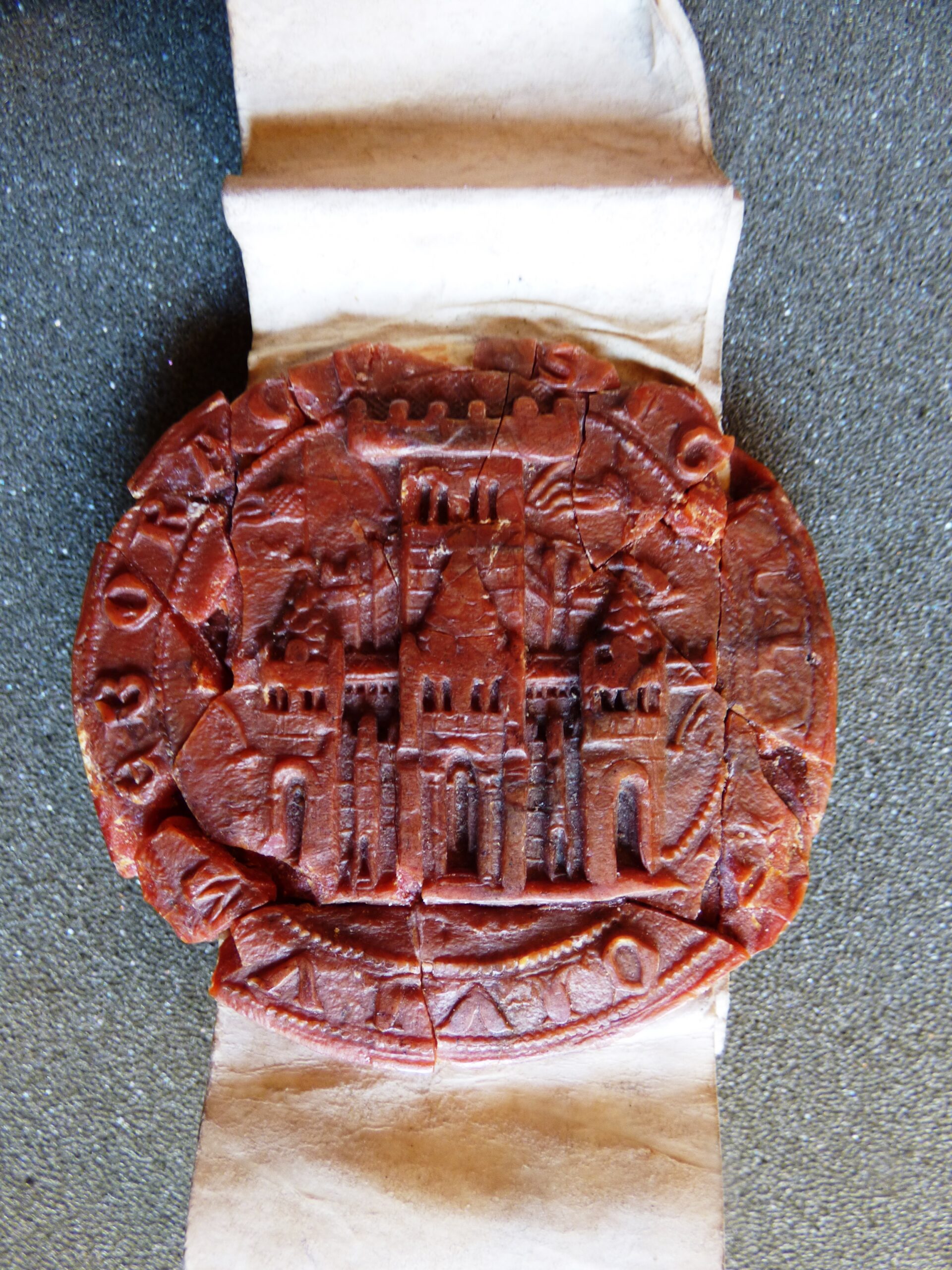
The collection extends to deeds and papers charting the acquisition of the Company’s estate, as well as records connected to the Merchant Adventurers’ Hall and its surrounding grounds. Completing the picture are materials relating to the York residence of the Merchant Adventurers of England, the Eastland Company, and the Company of Porters—together forming a comprehensive record of the Company’s legacy.
In 2023, the Company of Merchant Adventurers and the Borthwick Institute for Archives at the University of York entered into a partnership where the Company’s archive; one of the oldest and most significant collections of documents in the city would move from the Hall to its new home at the Borthwick.
The archives of the Company have for the last seven centuries been stored in the medieval surroundings of the Hall. Due to its age and importance, the archive needed to be kept in environmentally stable and secure surroundings, and to be accessible to the many researchers wishing to use it. Although in excellent condition, the Hall’s age and lack of storage meant that these challenges were becoming increasingly difficult to meet. Our partnership with the Borthwick Institute will provide a safe, secure and most importantly accessible location for our important archives to be studied and researched.
How our archives has been used in the past year
The archive has had a busy and productive year, with activity growing across research, teaching, and public engagement. Demand for access continues to rise, with 424 archive issues recorded—each representing items retrieved to support tours, talks, exhibitions, and in-depth research. Alongside this, 89 direct enquiries from researchers highlight a steady and sustained interest in the collection, showing its ongoing relevance to both academic and independent study.
Teaching and events have been a particular highlight. Over the year, nine taught classes and university events welcomed 224 attendees, while public engagement onsite proved especially popular. Five events drew an impressive 965 visitors, including four Undergraduate Open Days that brought new audiences into contact with the archive. Beyond York, an additional offsite event reached a further 28 participants.
Behind the scenes, vital work continues to make the collection more accessible. With the help of three dedicated volunteers, significant progress has been made in indexing and cataloguing. Over 1,000 receipts and vouchers have now been indexed and are set to be added to the catalogue soon.
The archive remains a valuable resource for academic research. It is currently supporting a master’s dissertation on the Company’s medieval property holdings, as well as a funded research project exploring trade and commodities. These projects demonstrate the depth and versatility of the material held within the collection.
The past year has also seen a range of exciting outputs inspired by the archive. Second-year History students have created fresh content for the Merchants microsite, helping to expand its digital reach. An MA dissertation has been completed, with its author now working as a Research Associate at the Centre for Medieval Studies. The collection has also sparked wider creative and public-facing work, including two blog posts, a podcast (released April 2026), and even a published piece of fiction by a Ukrainian writer who engaged with the archive during her time as a refugee.
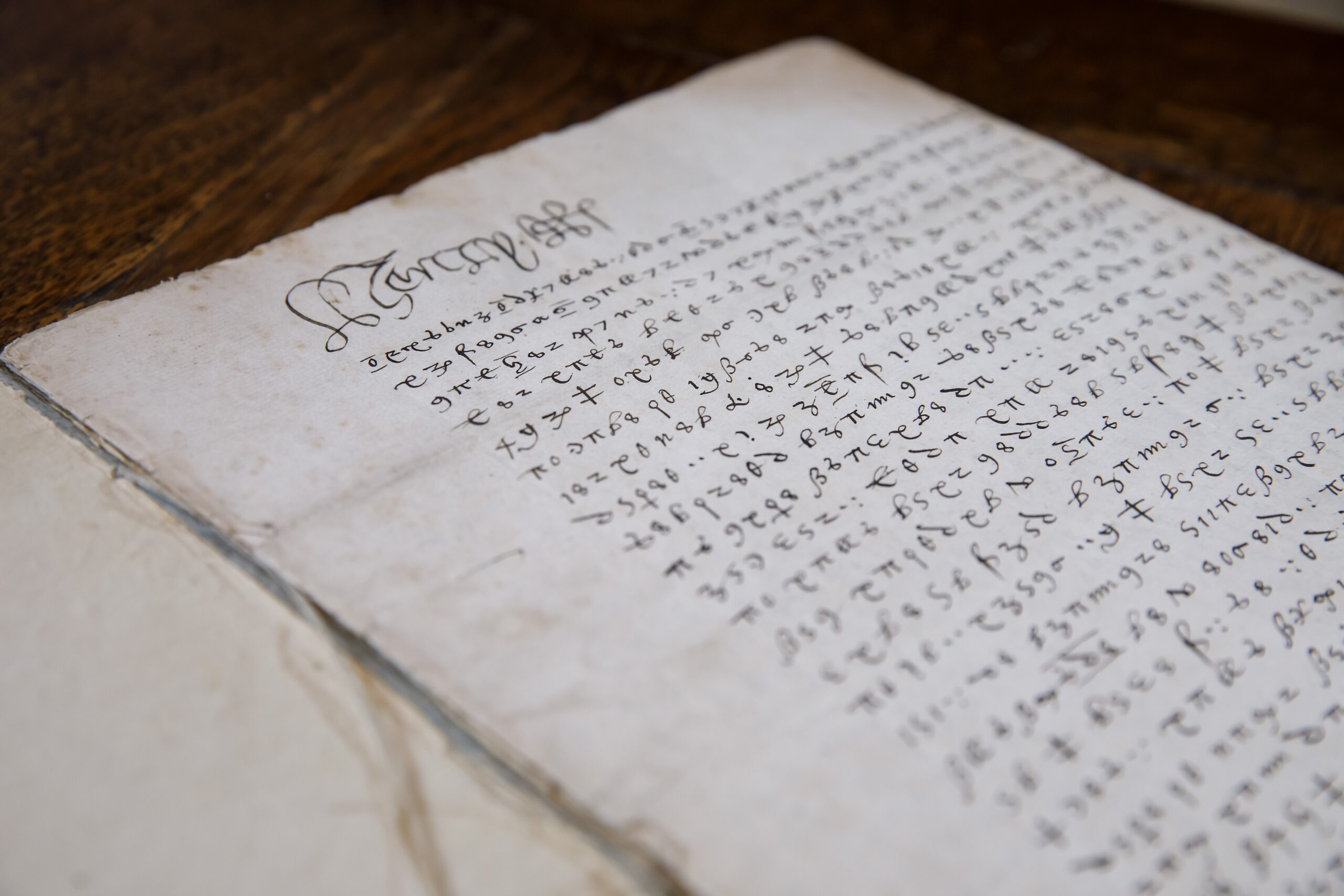
Together, these achievements reflect not just the archive’s rich history, but its growing role as a living, dynamic resource for learning, research and creativity. If you would like to find out more – view the Borthwick Institute’s microsite on the Company’s archives here.