
The York
Mystery Plays
In 2026 the traditional Cycle of Mystery Plays will return to the streets of York. The Company of Merchant Adventurers of the City of York, once known as the Mystery of Mercers, traditionally present or ‘bring forth’ the last play in the cycle, The Last Judgement.
Despite their historic importance and cultural significance on the city, a 21st century audience may be forgiven for not knowing much about the plays they are watching, so…
What were the Mystery Plays?
The Mystery Plays were originally a series of 48 plays brought by a different guild or collection of guilds in the medieval period. These plays were known as the Corpus Christi plays as they were associated with the church Feast of Corpus Christi, celebrated between late May and late June. The series of pageants, dramatised in order stories from the Old and New Testaments of the Bible, starting with the Fall of the Angels and the Creation and finishing with The Last Judgement.
The plays were traditionally performed on decorated wagons that moved around the city allowing different crowds to watch. There were usually 12 stations from which to watch the plays and a full cycle of the 48 plays would take 20 hours from dawn to dusk in one day. Musical instruments would be played such as drums and pipes to call the busy citizens from their homes. The audiences would have gathered around the wagons with many in the crowd recognising friends and neighbours taking part, creating an engaging, intimate and we imagine, lively atmosphere!
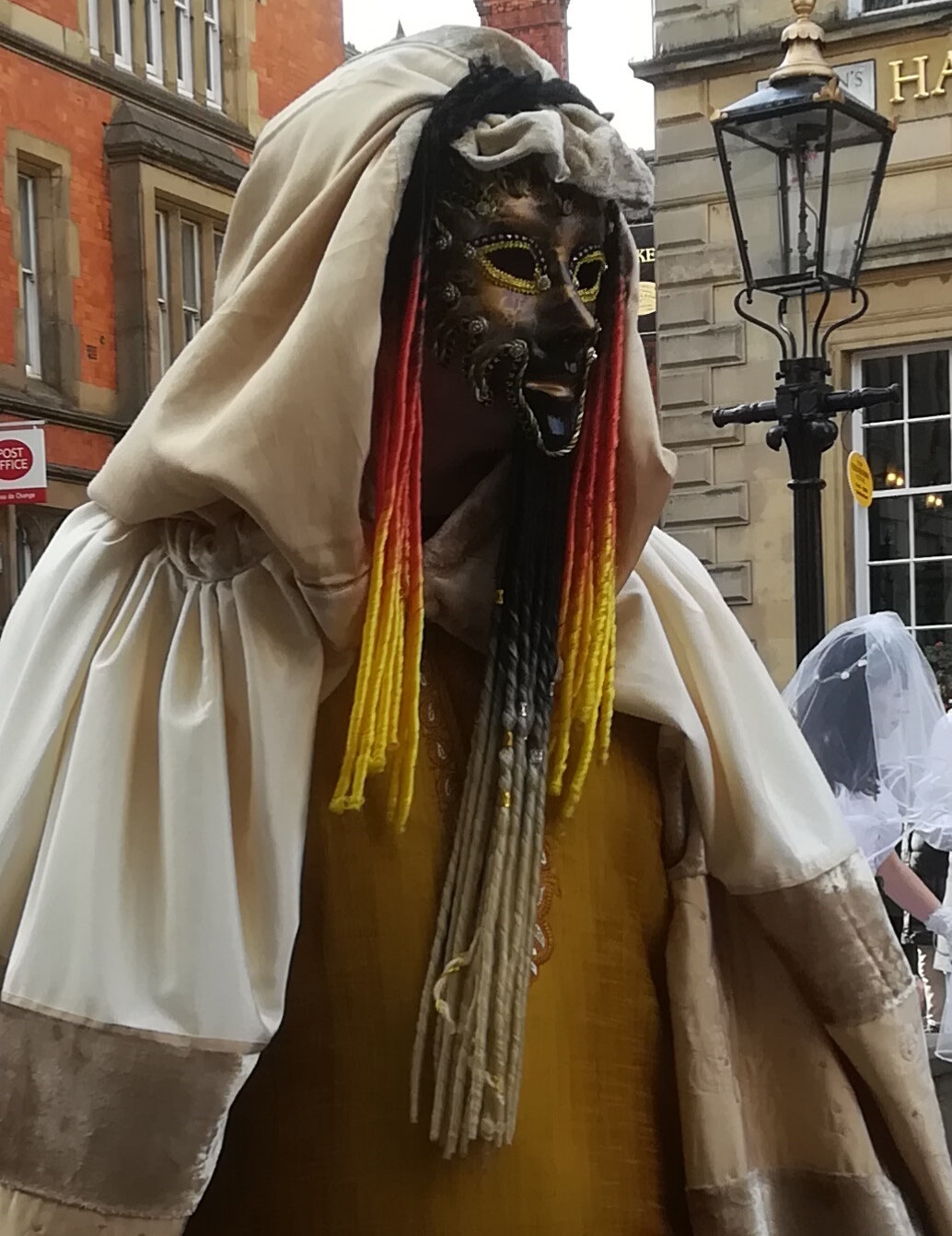
Costumes and masks would be worn for characters like angels and devils whilst biblical soldiers and peasants would have dressed in clothing familiar to those watching. Beards and wigs would have also been worn as all the characters, including the female roles, would have been played by men. The wealthier guilds would no doubt have invested a little more into their costumes and props for the entertainment and marvel of their co-citizens.
Each play was owned or performed by a particular guild or Mystery every year, hence Mystery Plays but…
…what is a Mystery?
There are many theories as to why the Mystery Plays are so called. Some theories look at the mystical religious truths of the Bible stories whilst others look at the guilds that produced each play; if you were learning the skills of your craft, you were learning the ‘mystery’ of your trade. Other theories include Mystery origin in the Latin word ‘mysterium’ meaning secret, or the French ‘mystere’ meaning craft. Although not definitive, it is most likely that the guilds of York were known as mysteries and guild members were forbidden to reveal trade secrets. They were lay productions, regulated by the Corporation. In Latin they called themselves ‘gilda’. The Mystery Plays is a relatively modern name, first used in 1890 and would not have been familiar to the residents of medieval York!
There are many theories as to why the Mystery Plays are so called. Some theories look at the mystical religious truths of the Bible stories whilst others look at the guilds that produced each play; if you were learning the skills of your craft, you were learning the ‘mystery’ of your trade. Other theories include Mystery origin in the Latin word ‘mysterium’ meaning secret, or the French ‘mystere’ meaning craft. Although not definitive, it is most likely that the guilds of York were known as mysteries and guild members were forbidden to reveal trade secrets. They were lay productions, regulated by the Corporation. In Latin they called themselves ‘gilda’. The Mystery Plays is a relatively modern name, first used in 1890 and would not have been familiar to the residents of medieval York!
The guild system developed from people involved in the same occupations gathering together to provide mutual social, spiritual and financial support. They were self-regulated and were often linked to religious fraternities. For example, the Merchant Adventurers started out as a Fraternity for men and women of Our Lord Jesus Christ and the Blessed Virgin Mary before becoming known as the Mystery of Mercers – merchants who dealt in fine cloth and textiles.
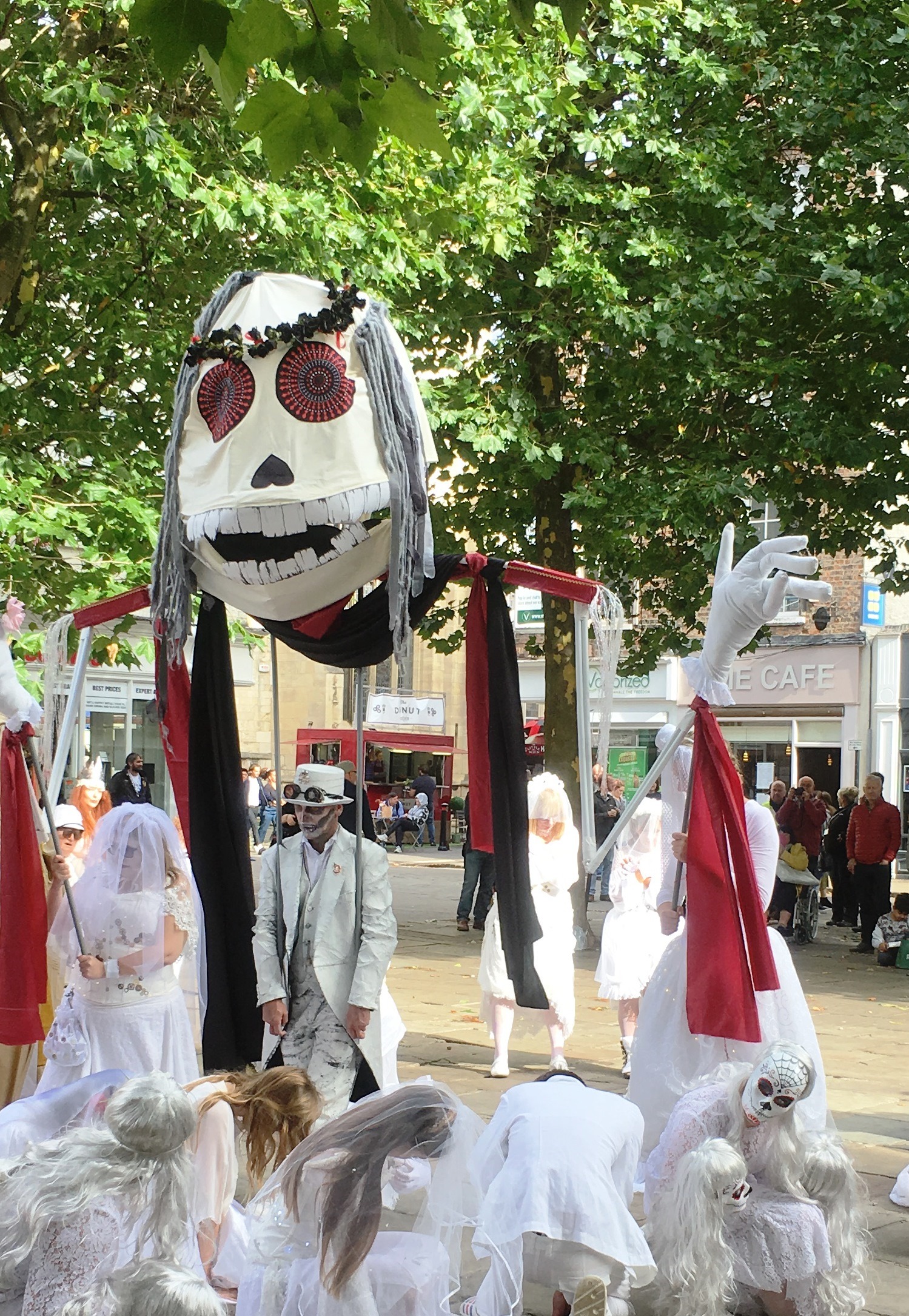
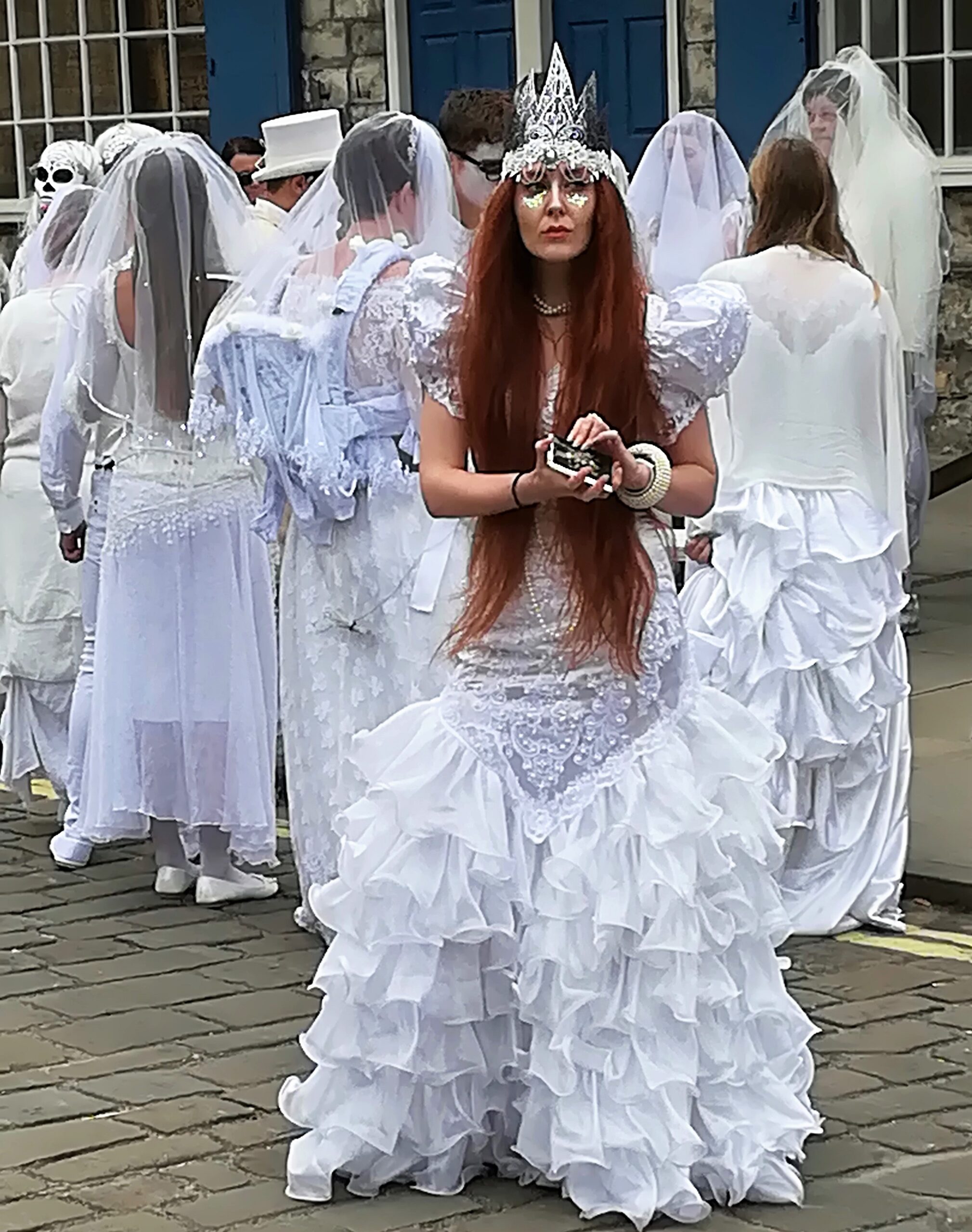
Some guilds would be given specific plays, for example the Bakers Guild would perform ‘The Last Supper’ where bread was an important part of the play. The Shipwrights built the Ark, Mariners would tell the tale of The Flood whilst the Guild of Butchers have traditionally told the story of the Crucifixion. Like the Butchers, the Merchant Adventurers have always presented The Last Judgement and continue to this day, so…
…what are the Mystery Plays today?
The plays, after nearly 200 years, were stopped during the Reformation with the final production taking place in 1569. The cycle of plays remained dormant for around 400 years, during which time many of the guilds which had supported and performed the plays died out. From their heyday in the 15th Century when there were 96 guilds active in York, today in 2022 there are 8: The Company of Merchant Adventurers of the City of York, The Company of Merchant Taylors of the City of York, Gild of Freemen, Guild of Building, Butchers Gild, Company of Cordwainers, Guild of Scriveners and the Guild of Media Arts.
In 1951, the York Mystery Plays were revived in a production on a fixed open air stage in the Museum Gardens. These were followed by performances in York Theatre Royal in 1992 and 1996; other stage performances have taken place in 2000 and 2016 inside York Minster and in 2012 the plays were presented once again in the Museum Gardens. In 1998 the York Guilds and Companies took over, establishing a four year cycle with the plays returning to their traditional form on wagons.
The York Mystery Plays have enthralled and enraptured audiences with stories that are as old as time but as relevant today as they were 600 years ago. It is also true that like the wagons they are performed on, they will roll on, entertaining York’s citizens and visitors for centuries to come.
The Mystery Plays will return to York for a two week festival starting on Friday 19th June with the plays taking place on Sunday 28th June & Sunday 5th July. There will also be additional twilight performances in York’s market on Tuesday 30th June and Thursday 1st July. For more details please click here.